September 3, 2026
Designing for First-Time Fix Rate
How Field Service Teams Can Get More Jobs Right the First Time
Designing for First-Time Fix Rate: How Field Service Teams Can Get More Jobs Right the First Time
First-time fix rate (FTFR) is one of the most important measures of field service efficiency. It reflects how often technicians can diagnose and resolve a service issue during the first visit—without requiring a return trip.
A strong FTFR doesn't just mean fewer repeat visits. It can improve technician utilization, profitability, fuel efficiency, customer satisfaction, and long-term retention.
The challenge is that improving FTFR isn't simply about asking technicians to work faster or troubleshoot better. It requires designing a service operation that gives technicians the right information, parts, skills, and workflows before they arrive on site.
Why First-Time Fix Rate Matters
A failed first visit creates a chain reaction.
When a technician has to return to the same equipment, the business may face another round of:
•
Labor costs
•
Travel and fuel expenses
•
Scheduling disruption
•
Technician downtime
•
Customer coordination
•
Administrative work
At the same time, the customer experiences additional disruption and may begin to lose confidence in the service organization.
Over time, repeated return visits can significantly erode margins.
The goal isn't technician heroics. The goal is removing uncertainty before the technician ever arrives.
1. Give Technicians Complete Asset History Before the Visit

One of the biggest obstacles to first-time resolution is arriving at an asset without enough context.
A technician should be able to understand the equipment before beginning the diagnosis.
Important information can include:
•
Model number
•
Serial number
•
Previous service history
•
Parts previously replaced
•
Warranty status
•
Recurring issues
•
Previous diagnostic findings
Instead of starting every service call from scratch, technicians can use the asset's history to understand what has already happened and what has previously been tried.
This transforms service history from an archive into an operational tool.
The result?
Technicians spend less time searching for information and more time solving the actual problem.
2. Use Historical Data to Improve Parts Staging

Even when a technician correctly diagnoses a problem, the repair can still fail to happen on the first visit if the required part isn't available.
Historical repair data can help service organizations identify which parts are commonly required for different equipment types or failure patterns.
For example, if certain assets repeatedly require the same replacement component, that information can be used to improve inventory planning.
Before a technician leaves for the job, the organization can verify that:
Right equipment → Right technician → Right parts
This makes parts availability part of the first-time-fix strategy rather than something discovered after the technician reaches the site.
3. Standardize Diagnostics With Structured Workflows

Experienced technicians often develop their own troubleshooting habits. But relying entirely on individual memory can create inconsistency.
Structured diagnostic workflows help standardize the process.
Digital checklists and decision trees can guide technicians through:
•
Initial inspection
•
Symptom verification
•
Diagnostic checks
•
Possible causes
•
Required measurements
•
Corrective action
•
Final verification
This reduces the likelihood of skipped diagnostic steps and makes troubleshooting more repeatable across the entire service team.
It also helps newer technicians follow proven processes without having to rely entirely on experience.
Standardization turns individual knowledge into an organizational capability.
4. Match the Right Technician to the Right Equipment

Not every technician has the same experience.
One technician may specialize in a particular equipment category, while another may have deeper experience with electrical systems, hydraulics, HVAC, or a specific manufacturer's equipment.
Skill-based dispatch uses technician capabilities when assigning service work.
Instead of simply assigning the closest available technician, organizations can consider:
•
Equipment type
•
Technician certifications
•
Product knowledge
•
Previous experience
•
Diagnostic expertise
•
Geographic availability
The closer the match between the technician's expertise and the asset's requirements, the less likely the job is to turn into trial-and-error troubleshooting.
5. Capture Documentation While the Technician Is Still on Site
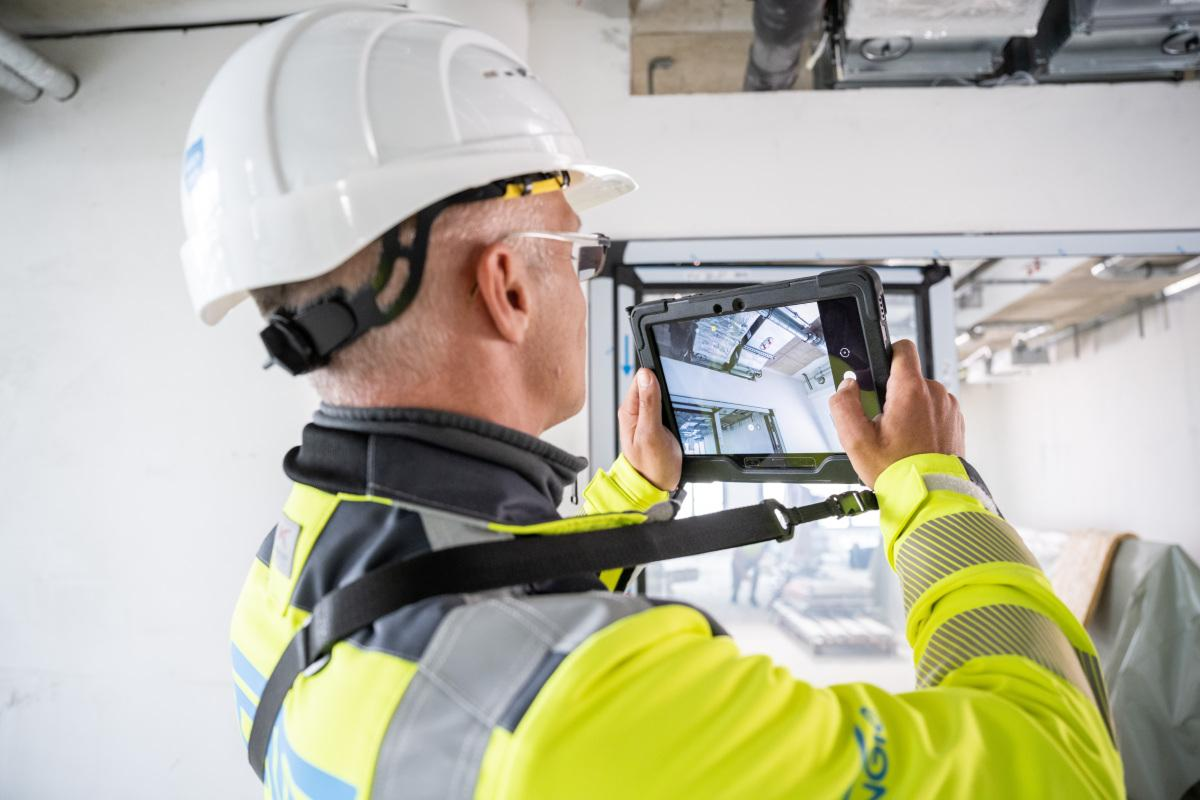
Documentation shouldn't be an afterthought.
Photos, readings, notes, findings, and completed work should ideally be captured during the service visit, while the information is still fresh.
This creates a reliable record for:
•
Future technicians
•
Service managers
•
Warranty teams
•
Customers
•
Maintenance planning
•
Future diagnostic work
Real-time documentation also reduces the risk of forgotten details or inaccurate information being entered later.
Most importantly, today's documentation becomes tomorrow's asset history.
The Bigger Picture: Design the System, Not Just the Technician
The highest-performing field service organizations don't depend on individual technicians remembering everything.
They build systems that make the correct decision easier.
Before the technician arrives, the organization should ideally have already answered:
What equipment am I servicing?
What happened previously?
What problem is likely occurring?
Who is best qualified to handle it?
What parts might be required?
What diagnostic process should be followed?
By answering these questions earlier in the workflow, organizations reduce decision fatigue and eliminate unnecessary ambiguity.
The Business Impact of Better First-Time Fix Rates
Improving FTFR isn't simply about closing more service tickets.
It can create a multiplier effect across the operation.
Fewer repeat visits
Technicians spend less time returning to previously visited sites.
Better technician utilization
More productive service hours can be completed without necessarily increasing headcount.
Lower operating costs
Reducing unnecessary travel and repeat labor can protect margins.
Better customer experience
Customers get problems resolved with fewer disruptions.
Stronger organizational knowledge
Every documented repair adds useful context to the asset's history.
Ultimately, a strong first-time fix rate allows organizations to increase the amount of revenue generated per technician per day without simply adding more technicians.
Conclusion
First-time fix rate is not improved by putting more pressure on technicians.
It's improved by giving technicians fewer reasons to fail on the first visit.
Complete asset history, intelligent parts planning, structured diagnostics, skill-based technician assignment, and real-time documentation all work together to create a service operation where technicians arrive prepared and can make informed decisions quickly.
The result is more than a better metric.
It's a field service organization that is more predictable, more efficient, and easier to scale.
Design the system so the technician can get it right the first time.

Adam Davis
CEO & Founder of 9 Pack Software
Ready to Streamline your Business?
Book a Demo with our experts to see how our software can transform your operations.
Contact Us


September 3, 2026
Designing for First-Time Fix Rate
How Field Service Teams Can Get More Jobs Right the First Time
Designing for First-Time Fix Rate: How Field Service Teams Can Get More Jobs Right the First Time
First-time fix rate (FTFR) is one of the most important measures of field service efficiency. It reflects how often technicians can diagnose and resolve a service issue during the first visit—without requiring a return trip.
A strong FTFR doesn't just mean fewer repeat visits. It can improve technician utilization, profitability, fuel efficiency, customer satisfaction, and long-term retention.
The challenge is that improving FTFR isn't simply about asking technicians to work faster or troubleshoot better. It requires designing a service operation that gives technicians the right information, parts, skills, and workflows before they arrive on site.
Why First-Time Fix Rate Matters
A failed first visit creates a chain reaction.
When a technician has to return to the same equipment, the business may face another round of:
•
Labor costs
•
Travel and fuel expenses
•
Scheduling disruption
•
Technician downtime
•
Customer coordination
•
Administrative work
At the same time, the customer experiences additional disruption and may begin to lose confidence in the service organization.
Over time, repeated return visits can significantly erode margins.
The goal isn't technician heroics. The goal is removing uncertainty before the technician ever arrives.
1. Give Technicians Complete Asset History Before the Visit
One of the biggest obstacles to first-time resolution is arriving at an asset without enough context.
A technician should be able to understand the equipment before beginning the diagnosis.
Important information can include:
•
Model number
•
Serial number
•
Previous service history
•
Parts previously replaced
•
Warranty status
•
Recurring issues
•
Previous diagnostic findings
Instead of starting every service call from scratch, technicians can use the asset's history to understand what has already happened and what has previously been tried.
This transforms service history from an archive into an operational tool.
The result?
Technicians spend less time searching for information and more time solving the actual problem.
2. Use Historical Data to Improve Parts Staging
Even when a technician correctly diagnoses a problem, the repair can still fail to happen on the first visit if the required part isn't available.
Historical repair data can help service organizations identify which parts are commonly required for different equipment types or failure patterns.
For example, if certain assets repeatedly require the same replacement component, that information can be used to improve inventory planning.
Before a technician leaves for the job, the organization can verify that:
Right equipment → Right technician → Right parts
This makes parts availability part of the first-time-fix strategy rather than something discovered after the technician reaches the site.
3. Standardize Diagnostics With Structured Workflows
Experienced technicians often develop their own troubleshooting habits. But relying entirely on individual memory can create inconsistency.
Structured diagnostic workflows help standardize the process.
Digital checklists and decision trees can guide technicians through:
•
Initial inspection
•
Symptom verification
•
Diagnostic checks
•
Possible causes
•
Required measurements
•
Corrective action
•
Final verification
This reduces the likelihood of skipped diagnostic steps and makes troubleshooting more repeatable across the entire service team.
It also helps newer technicians follow proven processes without having to rely entirely on experience.
Standardization turns individual knowledge into an organizational capability.
4. Match the Right Technician to the Right Equipment
Not every technician has the same experience.
One technician may specialize in a particular equipment category, while another may have deeper experience with electrical systems, hydraulics, HVAC, or a specific manufacturer's equipment.
Skill-based dispatch uses technician capabilities when assigning service work.
Instead of simply assigning the closest available technician, organizations can consider:
•
Equipment type
•
Technician certifications
•
Product knowledge
•
Previous experience
•
Diagnostic expertise
•
Geographic availability
The closer the match between the technician's expertise and the asset's requirements, the less likely the job is to turn into trial-and-error troubleshooting.
5. Capture Documentation While the Technician Is Still on Site
Documentation shouldn't be an afterthought.
Photos, readings, notes, findings, and completed work should ideally be captured during the service visit, while the information is still fresh.
This creates a reliable record for:
•
Future technicians
•
Service managers
•
Warranty teams
•
Customers
•
Maintenance planning
•
Future diagnostic work
Real-time documentation also reduces the risk of forgotten details or inaccurate information being entered later.
Most importantly, today's documentation becomes tomorrow's asset history.
The Bigger Picture: Design the System, Not Just the Technician
The highest-performing field service organizations don't depend on individual technicians remembering everything.
They build systems that make the correct decision easier.
Before the technician arrives, the organization should ideally have already answered:
What equipment am I servicing?
What happened previously?
What problem is likely occurring?
Who is best qualified to handle it?
What parts might be required?
What diagnostic process should be followed?
By answering these questions earlier in the workflow, organizations reduce decision fatigue and eliminate unnecessary ambiguity.
The Business Impact of Better First-Time Fix Rates
Improving FTFR isn't simply about closing more service tickets.
It can create a multiplier effect across the operation.
Fewer repeat visits
Technicians spend less time returning to previously visited sites.
Better technician utilization
More productive service hours can be completed without necessarily increasing headcount.
Lower operating costs
Reducing unnecessary travel and repeat labor can protect margins.
Better customer experience
Customers get problems resolved with fewer disruptions.
Stronger organizational knowledge
Every documented repair adds useful context to the asset's history.
Ultimately, a strong first-time fix rate allows organizations to increase the amount of revenue generated per technician per day without simply adding more technicians.
Conclusion
First-time fix rate is not improved by putting more pressure on technicians.
It's improved by giving technicians fewer reasons to fail on the first visit.
Complete asset history, intelligent parts planning, structured diagnostics, skill-based technician assignment, and real-time documentation all work together to create a service operation where technicians arrive prepared and can make informed decisions quickly.
The result is more than a better metric.
It's a field service organization that is more predictable, more efficient, and easier to scale.
Design the system so the technician can get it right the first time.
Adam Davis
CEO & Founder of 9 Pack Software
Ready to Streamline your Business?
Book a Demo with our experts to see how our software can transform your operations.
Contact Us


September 3, 2026
Designing for First-Time Fix Rate
How Field Service Teams Can Get More Jobs Right the First Time
Designing for First-Time Fix Rate: How Field Service Teams Can Get More Jobs Right the First Time
First-time fix rate (FTFR) is one of the most important measures of field service efficiency. It reflects how often technicians can diagnose and resolve a service issue during the first visit—without requiring a return trip.
A strong FTFR doesn't just mean fewer repeat visits. It can improve technician utilization, profitability, fuel efficiency, customer satisfaction, and long-term retention.
The challenge is that improving FTFR isn't simply about asking technicians to work faster or troubleshoot better. It requires designing a service operation that gives technicians the right information, parts, skills, and workflows before they arrive on site.
Why First-Time Fix Rate Matters
A failed first visit creates a chain reaction.
When a technician has to return to the same equipment, the business may face another round of:
•
Labor costs
•
Travel and fuel expenses
•
Scheduling disruption
•
Technician downtime
•
Customer coordination
•
Administrative work
At the same time, the customer experiences additional disruption and may begin to lose confidence in the service organization.
Over time, repeated return visits can significantly erode margins.
The goal isn't technician heroics. The goal is removing uncertainty before the technician ever arrives.
1. Give Technicians Complete Asset History Before the Visit
One of the biggest obstacles to first-time resolution is arriving at an asset without enough context.
A technician should be able to understand the equipment before beginning the diagnosis.
Important information can include:
•
Model number
•
Serial number
•
Previous service history
•
Parts previously replaced
•
Warranty status
•
Recurring issues
•
Previous diagnostic findings
Instead of starting every service call from scratch, technicians can use the asset's history to understand what has already happened and what has previously been tried.
This transforms service history from an archive into an operational tool.
The result?
Technicians spend less time searching for information and more time solving the actual problem.
2. Use Historical Data to Improve Parts Staging
Even when a technician correctly diagnoses a problem, the repair can still fail to happen on the first visit if the required part isn't available.
Historical repair data can help service organizations identify which parts are commonly required for different equipment types or failure patterns.
For example, if certain assets repeatedly require the same replacement component, that information can be used to improve inventory planning.
Before a technician leaves for the job, the organization can verify that:
Right equipment → Right technician → Right parts
This makes parts availability part of the first-time-fix strategy rather than something discovered after the technician reaches the site.
3. Standardize Diagnostics With Structured Workflows
Experienced technicians often develop their own troubleshooting habits. But relying entirely on individual memory can create inconsistency.
Structured diagnostic workflows help standardize the process.
Digital checklists and decision trees can guide technicians through:
•
Initial inspection
•
Symptom verification
•
Diagnostic checks
•
Possible causes
•
Required measurements
•
Corrective action
•
Final verification
This reduces the likelihood of skipped diagnostic steps and makes troubleshooting more repeatable across the entire service team.
It also helps newer technicians follow proven processes without having to rely entirely on experience.
Standardization turns individual knowledge into an organizational capability.
4. Match the Right Technician to the Right Equipment
Not every technician has the same experience.
One technician may specialize in a particular equipment category, while another may have deeper experience with electrical systems, hydraulics, HVAC, or a specific manufacturer's equipment.
Skill-based dispatch uses technician capabilities when assigning service work.
Instead of simply assigning the closest available technician, organizations can consider:
•
Equipment type
•
Technician certifications
•
Product knowledge
•
Previous experience
•
Diagnostic expertise
•
Geographic availability
The closer the match between the technician's expertise and the asset's requirements, the less likely the job is to turn into trial-and-error troubleshooting.
5. Capture Documentation While the Technician Is Still on Site
Documentation shouldn't be an afterthought.
Photos, readings, notes, findings, and completed work should ideally be captured during the service visit, while the information is still fresh.
This creates a reliable record for:
•
Future technicians
•
Service managers
•
Warranty teams
•
Customers
•
Maintenance planning
•
Future diagnostic work
Real-time documentation also reduces the risk of forgotten details or inaccurate information being entered later.
Most importantly, today's documentation becomes tomorrow's asset history.
The Bigger Picture: Design the System, Not Just the Technician
The highest-performing field service organizations don't depend on individual technicians remembering everything.
They build systems that make the correct decision easier.
Before the technician arrives, the organization should ideally have already answered:
What equipment am I servicing?
What happened previously?
What problem is likely occurring?
Who is best qualified to handle it?
What parts might be required?
What diagnostic process should be followed?
By answering these questions earlier in the workflow, organizations reduce decision fatigue and eliminate unnecessary ambiguity.
The Business Impact of Better First-Time Fix Rates
Improving FTFR isn't simply about closing more service tickets.
It can create a multiplier effect across the operation.
Fewer repeat visits
Technicians spend less time returning to previously visited sites.
Better technician utilization
More productive service hours can be completed without necessarily increasing headcount.
Lower operating costs
Reducing unnecessary travel and repeat labor can protect margins.
Better customer experience
Customers get problems resolved with fewer disruptions.
Stronger organizational knowledge
Every documented repair adds useful context to the asset's history.
Ultimately, a strong first-time fix rate allows organizations to increase the amount of revenue generated per technician per day without simply adding more technicians.
Conclusion
First-time fix rate is not improved by putting more pressure on technicians.
It's improved by giving technicians fewer reasons to fail on the first visit.
Complete asset history, intelligent parts planning, structured diagnostics, skill-based technician assignment, and real-time documentation all work together to create a service operation where technicians arrive prepared and can make informed decisions quickly.
The result is more than a better metric.
It's a field service organization that is more predictable, more efficient, and easier to scale.
Design the system so the technician can get it right the first time.
Adam Davis
CEO & Founder of 9 Pack Software
Ready to Streamline your Business?
Book a Demo with our experts to see how our software can transform your operations.
Contact Us
September 3, 2026
Designing for First-Time Fix Rate
How Field Service Teams Can Get More Jobs Right the First Time
Designing for First-Time Fix Rate: How Field Service Teams Can Get More Jobs Right the First Time
First-time fix rate (FTFR) is one of the most important measures of field service efficiency. It reflects how often technicians can diagnose and resolve a service issue during the first visit—without requiring a return trip.
A strong FTFR doesn't just mean fewer repeat visits. It can improve technician utilization, profitability, fuel efficiency, customer satisfaction, and long-term retention.
The challenge is that improving FTFR isn't simply about asking technicians to work faster or troubleshoot better. It requires designing a service operation that gives technicians the right information, parts, skills, and workflows before they arrive on site.
Why First-Time Fix Rate Matters
A failed first visit creates a chain reaction.
When a technician has to return to the same equipment, the business may face another round of:
•
Labor costs
•
Travel and fuel expenses
•
Scheduling disruption
•
Technician downtime
•
Customer coordination
•
Administrative work
At the same time, the customer experiences additional disruption and may begin to lose confidence in the service organization.
Over time, repeated return visits can significantly erode margins.
The goal isn't technician heroics. The goal is removing uncertainty before the technician ever arrives.
1. Give Technicians Complete Asset History Before the Visit
One of the biggest obstacles to first-time resolution is arriving at an asset without enough context.
A technician should be able to understand the equipment before beginning the diagnosis.
Important information can include:
•
Model number
•
Serial number
•
Previous service history
•
Parts previously replaced
•
Warranty status
•
Recurring issues
•
Previous diagnostic findings
Instead of starting every service call from scratch, technicians can use the asset's history to understand what has already happened and what has previously been tried.
This transforms service history from an archive into an operational tool.
The result?
Technicians spend less time searching for information and more time solving the actual problem.
2. Use Historical Data to Improve Parts Staging
Even when a technician correctly diagnoses a problem, the repair can still fail to happen on the first visit if the required part isn't available.
Historical repair data can help service organizations identify which parts are commonly required for different equipment types or failure patterns.
For example, if certain assets repeatedly require the same replacement component, that information can be used to improve inventory planning.
Before a technician leaves for the job, the organization can verify that:
Right equipment → Right technician → Right parts
This makes parts availability part of the first-time-fix strategy rather than something discovered after the technician reaches the site.
3. Standardize Diagnostics With Structured Workflows
Experienced technicians often develop their own troubleshooting habits. But relying entirely on individual memory can create inconsistency.
Structured diagnostic workflows help standardize the process.
Digital checklists and decision trees can guide technicians through:
•
Initial inspection
•
Symptom verification
•
Diagnostic checks
•
Possible causes
•
Required measurements
•
Corrective action
•
Final verification
This reduces the likelihood of skipped diagnostic steps and makes troubleshooting more repeatable across the entire service team.
It also helps newer technicians follow proven processes without having to rely entirely on experience.
Standardization turns individual knowledge into an organizational capability.
4. Match the Right Technician to the Right Equipment
Not every technician has the same experience.
One technician may specialize in a particular equipment category, while another may have deeper experience with electrical systems, hydraulics, HVAC, or a specific manufacturer's equipment.
Skill-based dispatch uses technician capabilities when assigning service work.
Instead of simply assigning the closest available technician, organizations can consider:
•
Equipment type
•
Technician certifications
•
Product knowledge
•
Previous experience
•
Diagnostic expertise
•
Geographic availability
The closer the match between the technician's expertise and the asset's requirements, the less likely the job is to turn into trial-and-error troubleshooting.
5. Capture Documentation While the Technician Is Still on Site
Documentation shouldn't be an afterthought.
Photos, readings, notes, findings, and completed work should ideally be captured during the service visit, while the information is still fresh.
This creates a reliable record for:
•
Future technicians
•
Service managers
•
Warranty teams
•
Customers
•
Maintenance planning
•
Future diagnostic work
Real-time documentation also reduces the risk of forgotten details or inaccurate information being entered later.
Most importantly, today's documentation becomes tomorrow's asset history.
The Bigger Picture: Design the System, Not Just the Technician
The highest-performing field service organizations don't depend on individual technicians remembering everything.
They build systems that make the correct decision easier.
Before the technician arrives, the organization should ideally have already answered:
What equipment am I servicing?
What happened previously?
What problem is likely occurring?
Who is best qualified to handle it?
What parts might be required?
What diagnostic process should be followed?
By answering these questions earlier in the workflow, organizations reduce decision fatigue and eliminate unnecessary ambiguity.
The Business Impact of Better First-Time Fix Rates
Improving FTFR isn't simply about closing more service tickets.
It can create a multiplier effect across the operation.
Fewer repeat visits
Technicians spend less time returning to previously visited sites.
Better technician utilization
More productive service hours can be completed without necessarily increasing headcount.
Lower operating costs
Reducing unnecessary travel and repeat labor can protect margins.
Better customer experience
Customers get problems resolved with fewer disruptions.
Stronger organizational knowledge
Every documented repair adds useful context to the asset's history.
Ultimately, a strong first-time fix rate allows organizations to increase the amount of revenue generated per technician per day without simply adding more technicians.
Conclusion
First-time fix rate is not improved by putting more pressure on technicians.
It's improved by giving technicians fewer reasons to fail on the first visit.
Complete asset history, intelligent parts planning, structured diagnostics, skill-based technician assignment, and real-time documentation all work together to create a service operation where technicians arrive prepared and can make informed decisions quickly.
The result is more than a better metric.
It's a field service organization that is more predictable, more efficient, and easier to scale.
Design the system so the technician can get it right the first time.
Adam Davis
CEO & Founder of 9 Pack Software
Ready to Streamline your Business?
Book a Demo with our experts to see how our software can transform your operations.
Contact Us